






Strength training at home is one of the best ways to build muscle, improve your fitness, and boost your confidence. Whether you’re brand new to exercise or coming back after a break, this beginner’s guide will show you exactly how to start strength training at home, with or without equipment.
What Is Strength Training?
Strength training — also called resistance training — is any form of exercise that causes your muscles to contract against resistance. This can come from weights, resistance bands, or simply your body weight.
Common Misconceptions About Strength Training:
-
Misconception: You have to lift heavy weights to see results.
-
Misconception: Strength training is only for bodybuilders or men.
- Reality: Strength training is beneficial for everyone, including women, beginners, and people of all ages.
Key Benefits of Strength Training:
-
Increases lean muscle mass
-
Burns more calories at rest
-
Improves bone health
-
Enhances posture and balance
-
Boosts metabolism
-
Supports mental well-being
Why Train at Home?
You don’t need a gym membership to get stronger. Strength training at home can be just as effective, especially for beginners. In fact, it often makes it easier to stay consistent and build lasting habits.
Benefits of Home Workouts:
-
Convenience: Train on your own schedule without worrying about gym hours or travel time.
-
Cost-Effective: You can start with little to no equipment, making it budget-friendly.
-
Privacy: Exercise in a space where you feel comfortable and free from distractions or judgment.
- Consistency: When working out is easily accessible, you’re more likely to stick with it.
If you can set aside even a small space at home for regular workouts, you’ll have everything you need to build strength and confidence.
What You Need to Get Started
One of the best things about strength training at home is how little you actually need to begin. Start with what you have, focus on consistency, and upgrade your setup as you go.
1. A Dedicated Space
You don’t need a full gym — just a clear, open area with enough room to move freely in all directions. Even a 2x2 meter space works. Ideally, the surface should be flat and non-slip for safety and comfort.
2. Basic Equipment (Optional but Helpful)
While bodyweight exercises alone can be highly effective, these simple tools can enhance your workouts:
-
Resistance Bands: Lightweight, portable, and perfect for beginners. Great for strength and mobility work.
-
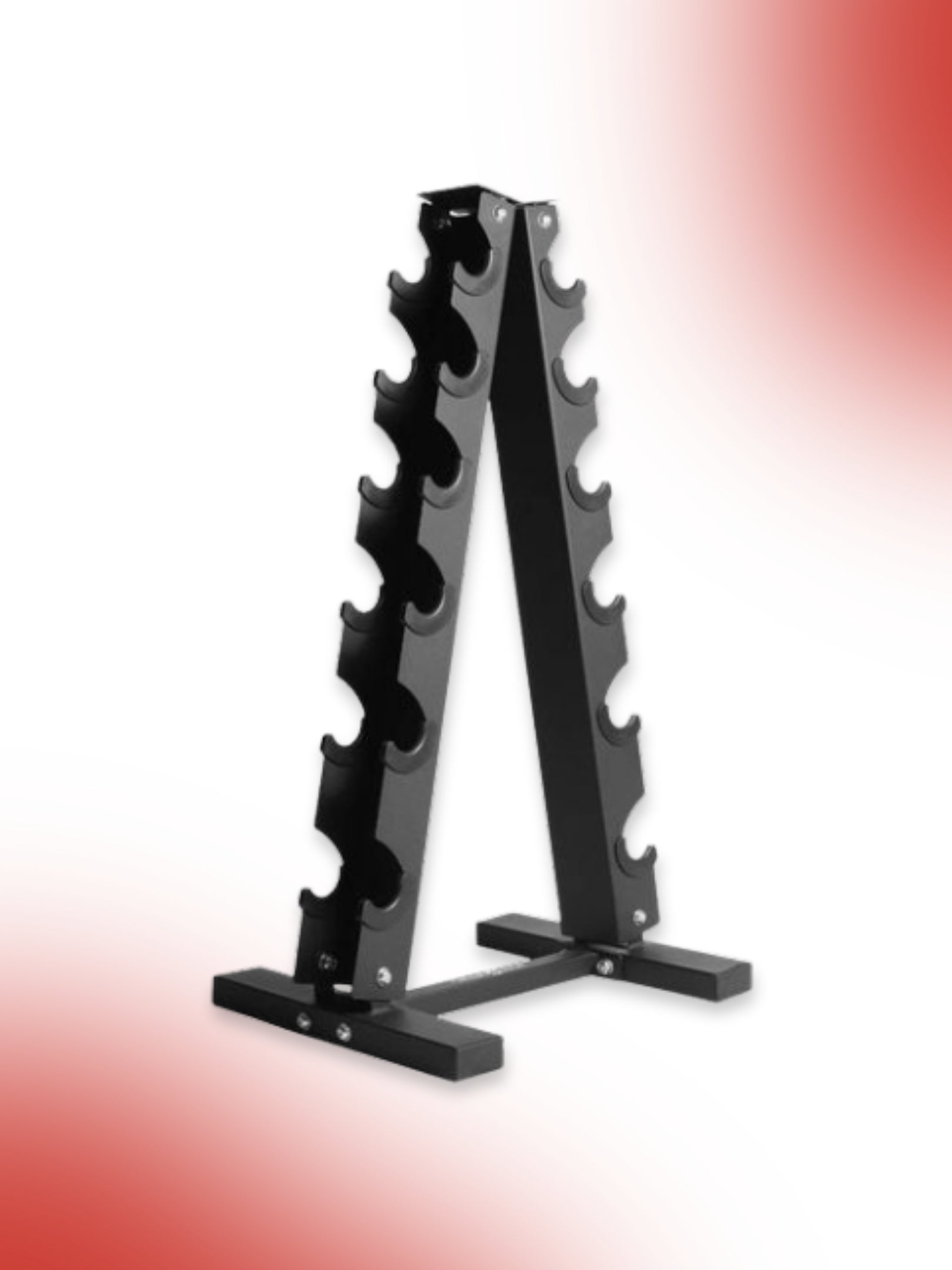
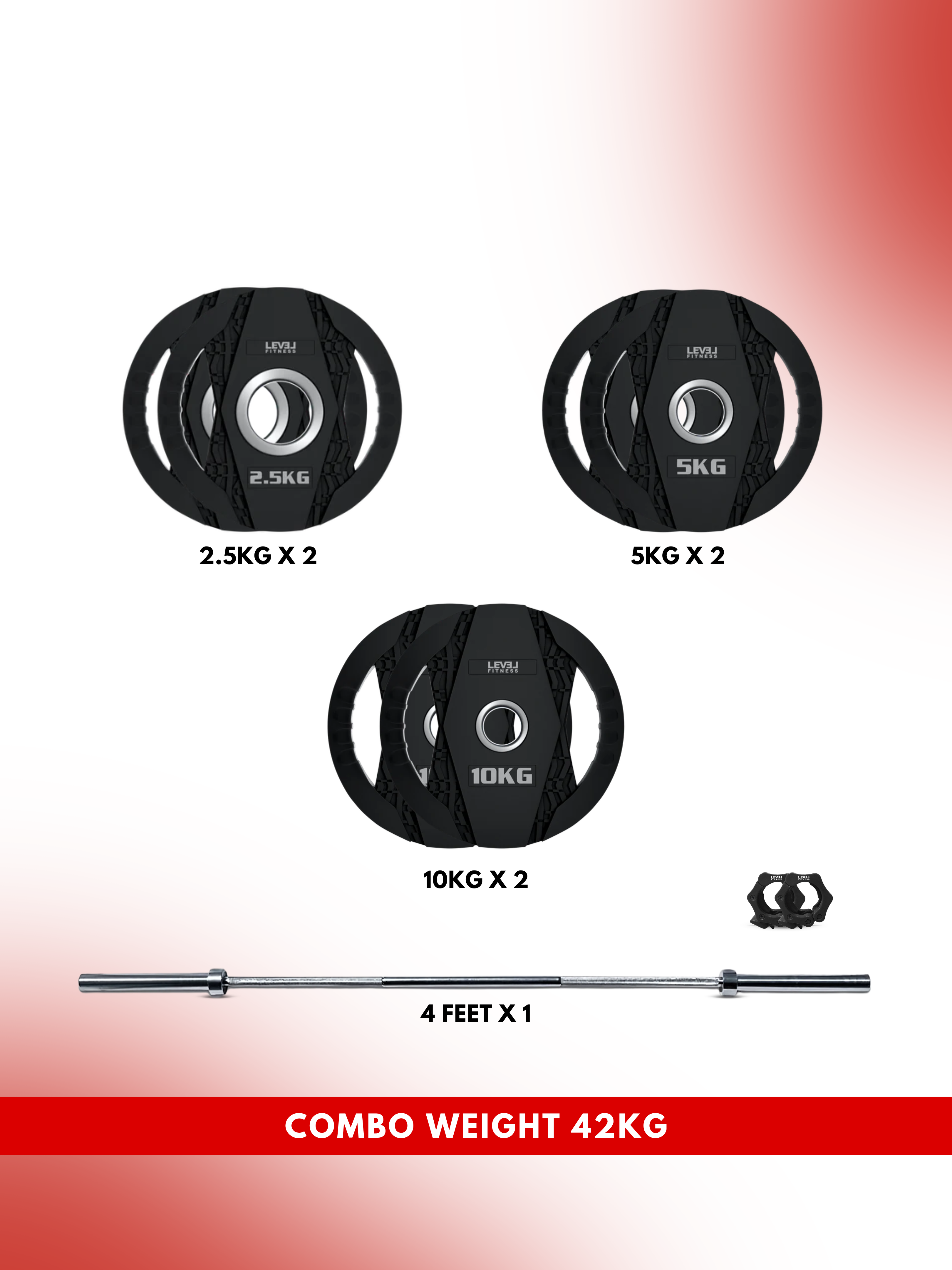
Dumbbells or Adjustable Dumbbells: Allow for progressive overload as you get stronger.
-
Kettlebells: Ideal for dynamic, full-body movements like swings and presses.
-
Yoga Mat: Adds cushioning and grip, especially for floor exercises and stretches.
-
Pull-Up Bar: Useful for upper body and core strength (can be door-mounted if space is limited).
Start with just one or two pieces, depending on your goals and budget. You can get great results even with the basics.
3. Bodyweight Exercises
No equipment? No problem. Your body is your first and most important piece of training gear. Exercises like squats, lunges, push-ups, and planks use your own body weight to build strength, stability, and endurance.
Bodyweight training is perfect for beginners and can be progressed over time by increasing reps, sets, or difficulty.
Key Strength Training Movements for Beginners
To start building strength at home, you only need a few basic exercises. These movements target all major muscle groups and can be done with just your body weight or simple equipment. Focus on proper form and control before adding weight or intensity.
1. Squats
Muscles worked: Legs, glutes, core
Squats are a foundational lower-body exercise. They help improve strength, balance, and mobility.
Beginner tip: Use a chair behind you to guide your depth and help with stability.
2. Push-ups
Muscles worked: Chest, shoulders, triceps, core
Push-ups are a great upper-body and core exercise.
Beginner tip: If standard push-ups are too difficult, start on your knees or with your hands on an elevated surface like a bench or countertop.
3. Lunges
Muscles worked: Legs, glutes, core
Lunges build single-leg strength and improve balance.
Beginner tip: Hold onto a wall, table, or chair for support if you're new to the movement or struggle with balance.
4. Planks
Muscles worked: Core, shoulders
Planks are one of the best core exercises for beginners.
Beginner tip: If a full plank is too challenging, drop your knees to the floor or try holding a forearm plank instead.
5. Glute Bridges
Muscles worked: Glutes, hamstrings, lower back
This floor-based movement strengthens the posterior chain and supports lower back health.
Beginner tip: Focus on squeezing your glutes at the top of each rep and pause briefly to increase activation.
6. Rows (Bodyweight or Banded)
Muscles worked: Upper back, biceps
Rows help improve posture and strengthen pulling muscles.
Beginner tip: Use a resistance band secured to a doorknob or perform bent-over rows using household items like filled water bottles.
How to Structure Your First Workouts
You don’t need a complicated routine to start seeing results. As a beginner, the key is to keep it simple, focus on full-body workouts, and build consistency. Start with 2 to 3 sessions per week and increase as your body adapts.
Basic Workout Structure
Each session should include these three key parts:
- Warm-up (3–5 minutes): Light cardio (like marching in place, jumping jacks, or arm circles) or dynamic stretches to prepare your body and prevent injury.
- Main Workout (20–30 minutes): Choose 5–6 strength exercises (like squats, push-ups, lunges, etc.).
- Cool-down (3–5 minutes): Gentle stretching to relax your muscles and support recovery.
You can finish a complete beginner workout in about 30–40 minutes.
Sample 3-Day Beginner Strength Plan
Here’s a simple weekly schedule you can follow:
-
Day 1: Full Body + Core Focus (e.g., squats, push-ups, rows, planks, glute bridges)
-
Day 2: Rest or Light Activity (e.g., walking or stretching)
-
Day 3: Full Body + Glutes Focus (e.g., lunges, glute bridges, hip thrusts, core)
-
Day 4: Rest (give your muscles time to recover)
-
Day 5: Full Body + Upper Body Focus (e.g., push-ups, rows, overhead presses, planks)
- Days 6 & 7: Active Rest (light movement like walking, yoga, or mobility work)
Staying Safe While Training
When you're working out at home — especially without a trainer — safety should be your top priority. Following a few key guidelines will help you avoid injury and build strength the right way.
Injury Prevention Tips for Beginners
-
Warm Up First: Start every session with 3–5 minutes of light cardio or dynamic stretches to prepare your muscles.
-
Focus on Form: Proper technique matters more than the number of reps or how much weight you use.
-
Move with Control: Avoid rushing through movements. Slow, controlled reps reduce the risk of injury and improve muscle engagement.
-
Allow Time to Recover: Give your body at least 48 hours between strength sessions targeting the same muscle group.
-
Listen to Your Body: Muscle fatigue is normal; sharp pain is not. If something feels wrong, stop and check your form.
-
Stay Hydrated: Drink water before, during, and after your workout to stay energized and support recovery.
Learning proper form from the start not only keeps you safe — it also sets the foundation for long-term progress.
How to Track Your Progress and Stay Motivated
Tracking your progress is one of the most effective ways to stay motivated, build momentum, and see real results with home strength training. It helps you stay consistent and recognize improvements beyond just physical appearance.
Simple and Effective Ways to Track Progress
-
Use a Workout Log: Keep a notebook, spreadsheet, or notes app to record sets, reps, weights used, and rest times after each session.
-
Take Progress Photos: Snap front, side, and back photos every 2–4 weeks to visually track body composition changes.
- Monitor How You Feel: Pay attention to non-physical changes like better sleep, increased energy, improved posture, and mental clarity.
Remember: Progress Isn’t Just Physical
Improved strength, better form, more consistency, and greater confidence all count as success, even if the scale doesn’t change right away.
Common Strength Training Mistakes to Avoid
Even with the best intentions, beginners often make a few avoidable mistakes that can slow progress or lead to injury. Being aware of these from the start will help you build a safer, more sustainable routine.
Most Common Mistakes When Starting Out
-
Skipping Rest Days: Recovery is when your muscles repair and grow. Overtraining can lead to fatigue, burnout, or injury.
-
Lifting Too Heavy, Too Soon: Start with manageable resistance. Focus on form before increasing weight.
-
Ignoring Proper Technique: Poor form reduces effectiveness and increases injury risk. Quality matters more than quantity.
- Inconsistency: Results come from consistency over time. A few focused sessions each week are better than sporadic, intense efforts.
Focus on Progress, Not Perfection
Everyone starts somewhere. Aim to get a little better each week — with time, those small improvements will add up to big results.
Motivation and Building a Routine
The hardest part is often just getting started. Here’s how to stay on track:
Tips to Build a Habit:
-
Schedule workouts like appointments
-
Set clear, achievable goals (e.g., “3 workouts/week”)
-
Create a playlist or podcast you enjoy during workouts
-
Track wins and reward yourself (not with food — think self-care)
-
Join online fitness groups or challenges for support
Remember, it takes time to build a habit — but once you do, it becomes second nature.
Conclusion
Strength training at home is a powerful way to take control of your health, build strength, and boost your confidence — no gym required. With just a few basic movements, a consistent schedule, and a commitment to yourself, you’ll be amazed at what you can achieve.
So take that first step — your stronger, healthier future starts today.